
A wall of product cards, and every card is really an address
That is the whole of it. Browse by category, find something, take the link. Everything that costs money happens after you hand that link to an agent.
The categories below are the same walls this site links out to everywhere else. Nothing on them is stock and nothing on them is a quote.
Browse by category
Sixteen walls. Each one opens on product cards in that category, newest first, and each card carries the link you would hand to an agent.
Womenswear runs as a search rather than a wall of its own, so it pulls across every clothing category at once.
16 categories
No categories match. Try a shorter word, or show all categories.
 SneakersCheck the seller size chart and ask for useful measurements.
 Jackets & CoatsCheck weight and packing before choosing a route.
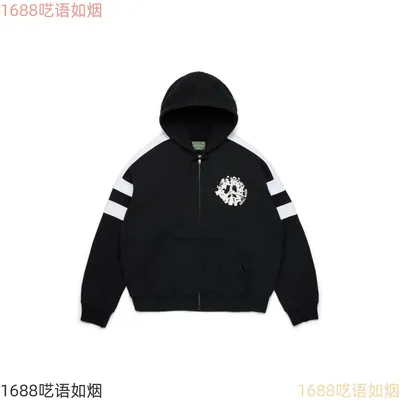 HoodiesCompare chest and length measurements, not just the size label.
 T-ShirtsCheck fabric, fit and the selected variant.
 JeansCompare waist, inseam and the seller size chart.
 SweatpantsCheck waist and length measurements before ordering.
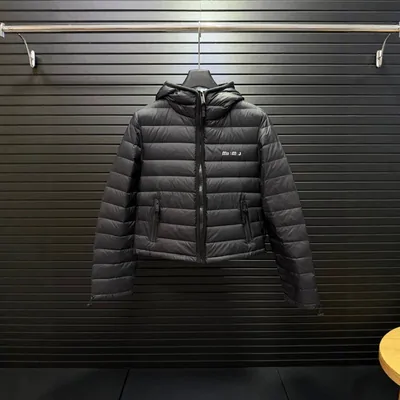 WomenswearBrowse womenswear and check each seller size chart.
 JerseysCheck the team, season and chosen size.
 BagsLook closely at hardware, seams and lining in warehouse photos.
 HatsCheck size and shape; request protective packing if needed.
 BeltsConfirm the full belt length and buckle details.
 EyewearCheck dimensions and protective packing for fragile items.
 PerfumeCheck liquid restrictions on the route before you buy.
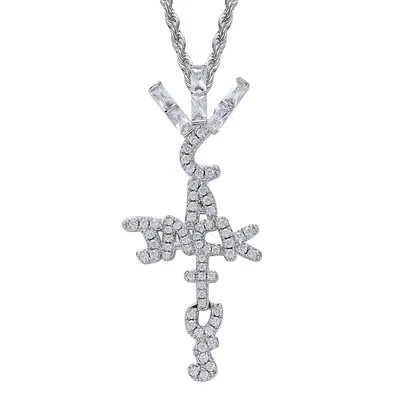 JewelleryCheck dimensions and material details on the listing.
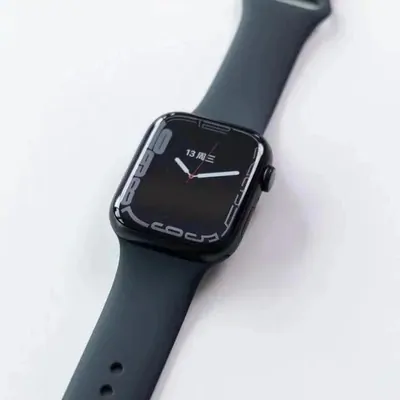 WatchesCheck route rules, packaging and any battery restrictions.
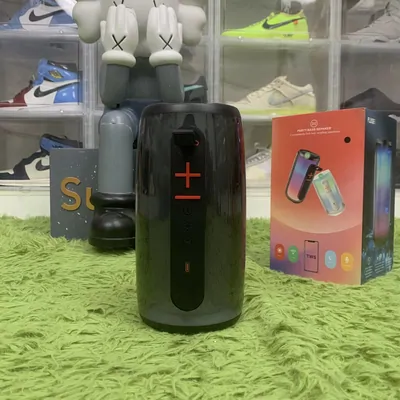 ElectronicsCheck batteries, dimensions and route restrictions first.
What a PonyBuy Spreadsheet is, and what it is not
Two different jobs get confused constantly, usually by people who have already paid for something. Separating them takes one table.
The browsing wall is free, anonymous and inert. PonyBuy is the part that has your money, your address and eventually your parcel. If you are unhappy about a colour, that is a seller matter. If you are unhappy about a weight, that is a PonyBuy matter. Knowing which is which is most of knowing what to do next.
| The browsing wall | PonyBuy | |
|---|---|---|
| What it holds | Photographs and addresses | Your order, your money and your parcel |
| What it charges | Nothing | The item, the Chinese domestic delivery, then the international leg |
| Who sets the price | Nobody, it is not a shop | The Chinese seller, on the day of purchase |
| What it knows about stock | Only what the seller page showed when it was read | What the purchaser finds after contacting the seller |
| Who you talk to when something is wrong | Nobody, there is no account | PonyBuy support, through your order |
| What it does when a link dies | Nothing, the card just sits there | Tells you, and refunds or waits for your instruction |
If you want the long version of that last row, it has its own page: when a link stops working.
Which Chinese platform a link came from, and why it matters
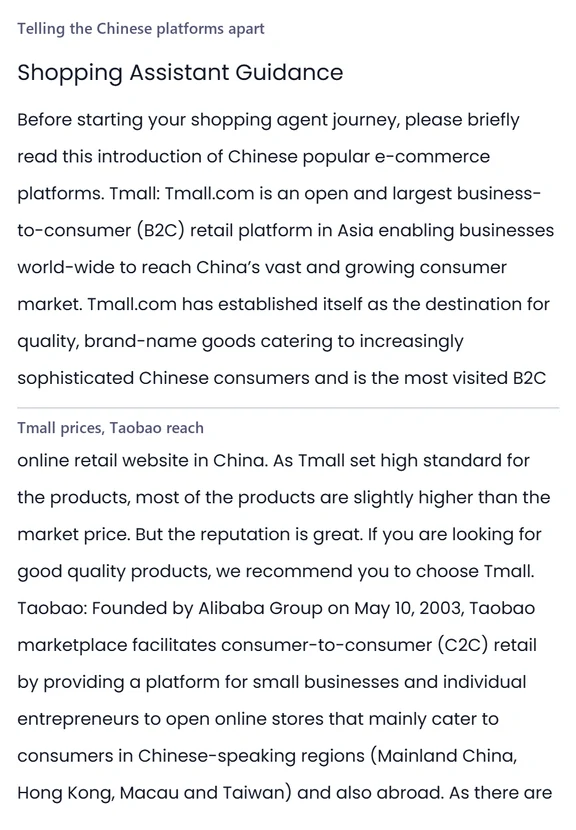
Every card on a browsing wall points at one of a handful of Chinese platforms, and they are not interchangeable. PonyBuy puts its own primer in front of new users for exactly this reason, and it is unusually blunt for a page written by the company taking your order.
On Tmall it says prices sit slightly above the market because the platform holds sellers to a higher standard, and it recommends Tmall when quality is what you care about. On Taobao it says the range of seller reputation is wide enough that you should check the store rating, the reviews and whether the store posts a deposit before you commit. On JD it distinguishes between what JD sells itself and what its third party sellers list, and it tells you to prefer the former, because delivery speed and after sales care stopped being guaranteed once JD opened to outside stores.
None of that is visible from a product card. The card shows a photograph. The platform is in the address, and you can read the primer in full before you decide whether a cheap card is cheap for a good reason.
What PonyBuy says it will buy, and how quickly it moves
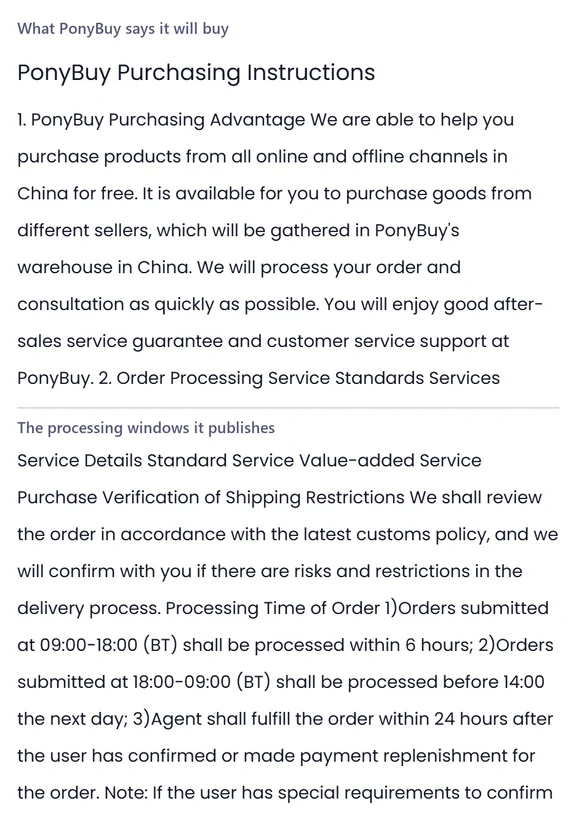
The other half of the handover is what the agent commits to once it has your link. PonyBuy publishes that as a service table rather than as prose, which makes it easy to skim past and worth stopping on.
It says it will buy from any online or offline channel in China, from as many different sellers as you like, and gather the results in one warehouse. It says it reviews every order against current customs policy before buying and comes back to you if something looks restricted. It publishes a processing window tied to the clock in Beijing, a faster window for orders flagged for speedy response, and a rule that it fulfils within a day of you confirming or topping up. It says Chinese sellers generally dispatch within a few days and that it chases the ones who do not, starting on the fourth.
Those are commitments you can hold it to, which is why they are worth reading in the original wording rather than in mine. The numbers move, and at least one of them is published twice in two different forms, which the statuses page sets side by side.
How to judge a spreadsheet before you trust its links
A browsing wall costs nothing to build and nothing to abandon, so plenty of them are abandoned. These are the questions worth asking before you spend an evening on one.
How do I judge a spreadsheet before I trust the links on it?
Open three cards at random and look at where they land. A good one sends you to a live seller page on a Chinese platform, not to a dead address and not to a page that has been replaced by something else. If two of your three land badly, the whole wall is stale and the rest of it will be too.
Does the browsing site decide the price?
No. The seller does. A card is a photograph and an address; the number you eventually pay is whatever the seller is asking on the day the purchaser opens the page, plus what PonyBuy charges to move it. Nothing on a browsing site is a quote and nothing on it is held for you.
Why does a card sometimes show something the seller no longer has?
Because sellers rarely go back and update a listing that has sold out. PonyBuy says the same thing in its own words: the real stock is what it learns after it contacts the seller, not what the page displays. Treat a card as a starting point, never as a promise.
Is one platform safer than another?
PonyBuy publishes an opinion on that and it is worth reading before you spend. It recommends Tmall when quality matters and says its prices sit slightly above the market, it tells you to check reputation and reviews on Taobao because anyone can open a store there, and on JD it tells you to prefer the items JD sells itself over the ones its third party sellers list.